15 Funny People Working Secretly In Ghost Alarm
The Importance of Immobiliser Installation for Vehicle Security
In a period where car theft rates are on the increase, lorry security has actually become a paramount concern for car owners. One of the most efficient solutions to improve vehicle security is the installation of an immobiliser. This short article looks into the intricacies of immobiliser installation, highlighting its significance, types, installation process, and responses to frequently asked questions.
What is an Immobiliser?
An immobiliser is an electronic device designed to prevent a vehicle from starting unless the correct key or fob exists. It serves as an important barrier versus unapproved access, making it substantially more difficult for burglars to steal a lorry. By disabling Click Home or ignition system, an immobiliser makes sure that even if a burglar gains entry, they should have the best devices to start the vehicle.
Why is Immobiliser Installation Crucial?
Boosted Security
The primary function of an immobiliser is to provide a higher level of security for cars. By making it difficult for thieves to start a lorry, the opportunities of healing for taken automobiles increase. According to the National Insurance Crime Bureau (NICB), automobiles geared up with immobilisers are less likely to be taken.
Insurance Benefits
Numerous insurance companies provide discounts to lorry owners who have immobilisers installed. This not only helps in minimizing insurance premiums but also adds an additional layer of protection for the car, resulting in possible expense savings in the long run.
Deterrence Factor
The existence of an immobiliser works as a deterrent to burglars. Knowing that an automobile is outfitted with advanced security devices makes it less appealing for potential lawbreakers, considerably lowering the threat of theft.
Types of Immobilisers
When thinking about immobiliser installation, it is important to comprehend the various types available:
Factory-Fitted Immobilisers: Many contemporary vehicles come equipped with factory-fitted immobilisers. These systems are incorporated into the vehicle's electrical system and offer a trustworthy level of security.
Aftermarket Immobilisers: For older models or automobiles doing not have factory security functions, aftermarket immobilisers can be set up. These devices differ in complexity and functionality, offering flexibility for car owners.
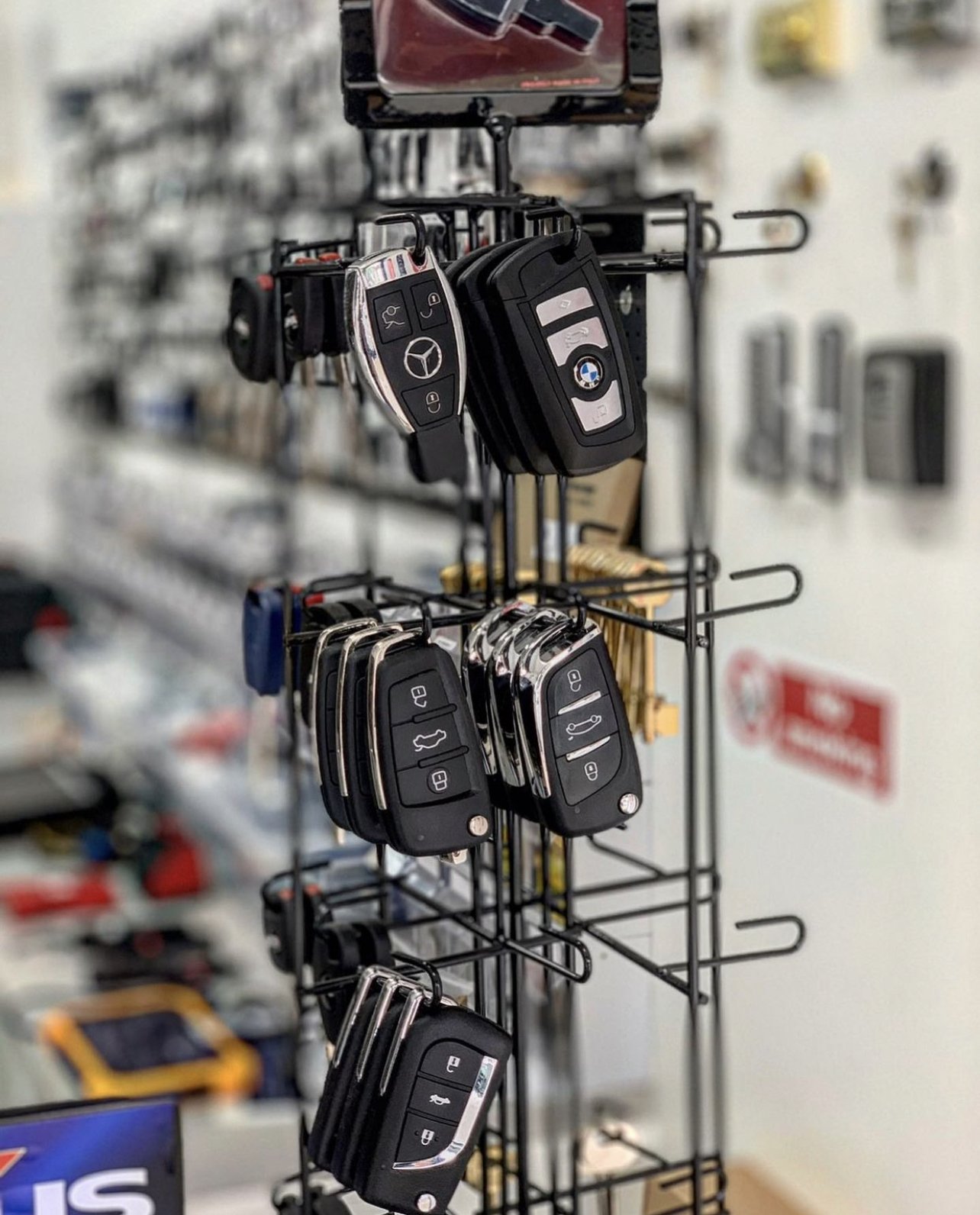
Transponder Immobilisers: These systems use a transponder chip embedded in the key. When the key is turned in the ignition, the immobiliser communicates with the chip, enabling the lorry to begin only if the right key is used.
Smart Key Systems: Advanced immobilisers typically come as part of clever crucial systems, allowing keyless entry and start. These systems use advanced technology to improve security but may likewise need sophisticated installation.
The Immobiliser Installation Process
Installing an immobiliser is a complicated procedure that ought to preferably be performed by professionals. Here's a step-by-step overview of what the installation entails:
1. Selecting the Right Immobiliser
Before installation, car owners need to pick the proper kind of immobiliser based upon their vehicle's compatibility and their security needs.
2. Professional Assessment
It is suggested to set up a visit with a licensed installer who will examine the vehicle and discuss the very best installation practices.
3. Installing the Immobiliser
Throughout installation, the immobiliser system is installed within the car, usually under the control panel, to keep it hidden from thieves.
4. Linking Wiring and Components
The installer will link the immobiliser to the vehicle's ignition system, fuel pump, and other elements. This requires competence as incorrect electrical wiring can cause system failures.
5. Checking the System
After installation, comprehensive testing is carried out to make sure that the immobiliser functions properly. This includes confirming that the lorry does not begin without the appropriate secret or fob.
6. Providing User Instructions
Once installed, the specialist will provide directions on making use of the immobiliser, consisting of how to manage the secret or fob and troubleshooting typical problems.
FAQs about Immobiliser Installation
1. How much does immobiliser installation expense?
The expense can differ based on the type of immobiliser and the lorry model. Generally, you can expect to spend in between ₤ 100 and ₤ 500.
2. Can I install an immobiliser myself?
While it's possible to purchase DIY immobiliser kits, professional installation is suggested for ideal security and functionality.
3. Will an immobiliser avoid all vehicle thefts?
While immobilisers substantially reduce the danger of theft, they are not sure-fire. Thieves may still find methods to circumvent security systems, so combining numerous security procedures is suggested.
4. Are immobilisers compatible with all lorries?
Many vehicles can accommodate aftermarket immobilisers, but it's crucial to guarantee compatibility with your specific make and design before installation.
5. How do I maintain my immobiliser?
Routine checks and maintenance are essential. Watch on the crucial fob's battery, ensure the immobiliser is working, and seek advice from an expert if any concerns develop.
In conclusion, immobiliser installation is an important step for safeguarding vehicles against theft. With various types offered and professional installation services guaranteeing dependability, car owners can considerably improve their vehicle's security. By understanding the value and performance of immobilisers, people can make educated options and take proactive measures to secure their investments. In a world where car theft is a relentless concern, an immobiliser could be the difference in between preserving ownership and the distress of losing a lorry.